Environmental Management in the Industrial Sector
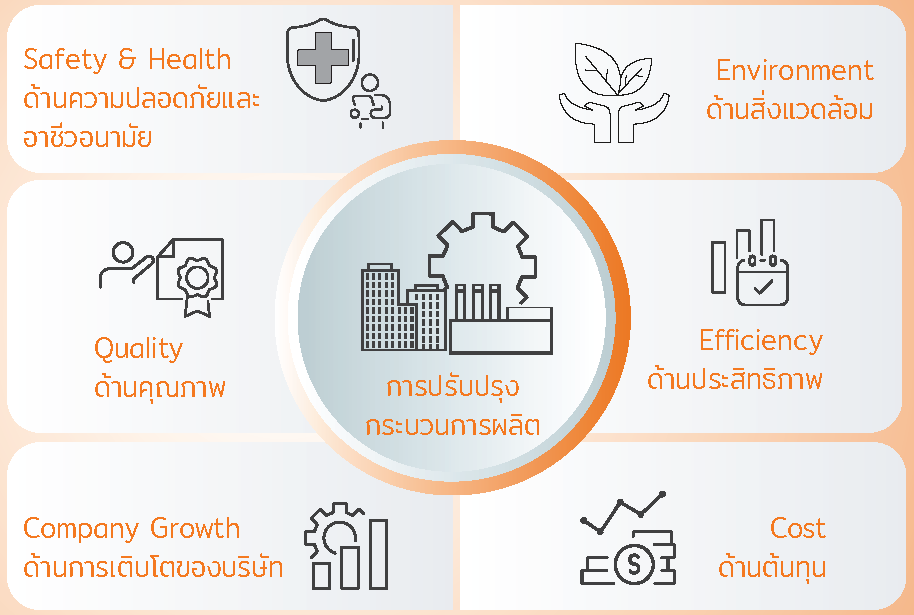
Goal
Achieving Environmental Management Goals in the Industrial Sector
The company places importance on improving and developing production processes to achieve effective results and reduce environmental impacts, including energy management and waste management, to create a holistic and environmentally friendly process.
Stakeholders
Employees, Customers, Shareholders, Business Partners, Communities/Society, Government Agencies, Standard Development Organizations

Operational results
Greenhouse Gas Emissions (GHG Emissions)
Compared to the base year 2020
Electricity Consumption
Compared to the base year 2021
Water Consumption
Compared to the base year 2021
Production Waste to Landfill
Compared to the base year 2021
Improvement of environmentally friendly production structureGRI 302-4

Ongoing projects
- Converted hot oil to boiler with temperature control valve installation for MT301 and MT302 production to reduce waste
- Installed cyclone system in BC301 adhesive packing line to reduce noise and dust pollution
- Replaced diesel with LPG in hot oil boiler to reduce greenhouse gas emissions from combustion
- Installed semi-auto container arranging and feeding machine for 8-head filler to improve efficiency
- Added insulation to chiller to extend lifespan and reduce refilling of high emission factor refrigerants
Air pollution control
To ensure that waste from the production process and company activities is properly controlled and complies with regulations to reduce environmental pollution, protect biological systems, and prevent impacts on workers and nearby communities.


Goal
Air pollution does not exceed the limits set by the government agencies
Action plans
The company has implemented odor control from the production process by operating a closed system as much as possible to prevent the spread of odors from production and minimize disturbance to surrounding communities. The company also prioritizes the maintenance of machinery and equipment that are sources of air pollution to ensure efficient operation with minimal pollution. Additionally, the company has installed effective and appropriate air pollution management systems.
Operational results
The company has conducted air quality measurements in the workplace and at air emission points, and the measurement results consistently comply with legal requirements.

Other plans and projects in 2025
- Installed dust collector to reduce and trap dust from solvent-based adhesive production process
- Installed dry scrubber to reduce vapor and odor from SVBA production to prevent pollution and community complaints
Circular Economy
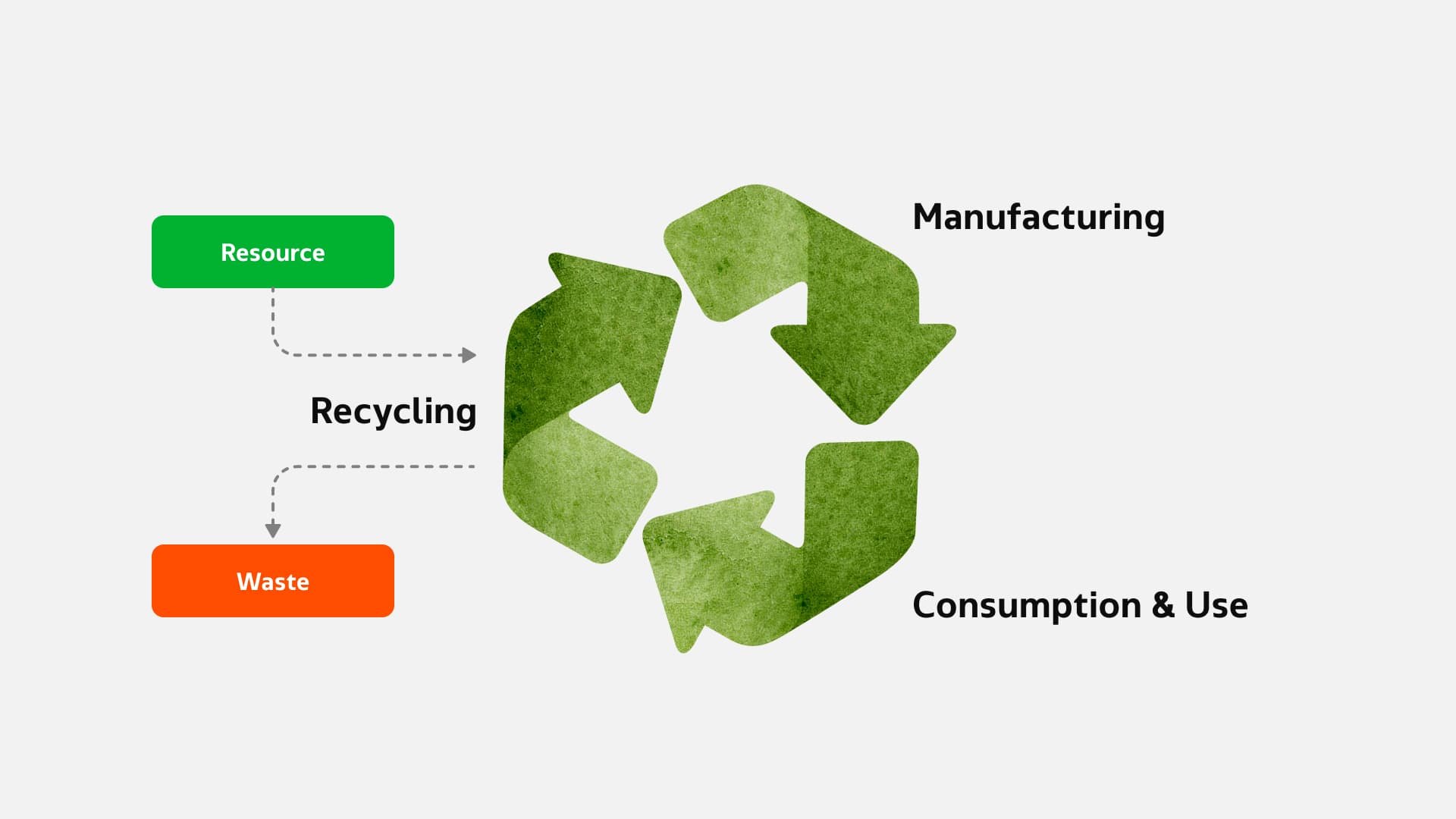
Adhesive waste from the production process is reused in manufacturing
Because we want to maximize resource efficiency by reducing the use of new resources and recycling used materials. This helps reduce pollution, waste, costs, and most importantly, greenhouse gas emissions. Selic has been implementing the Circular Economy concept across various stages of our product manufacturing operations for some time.
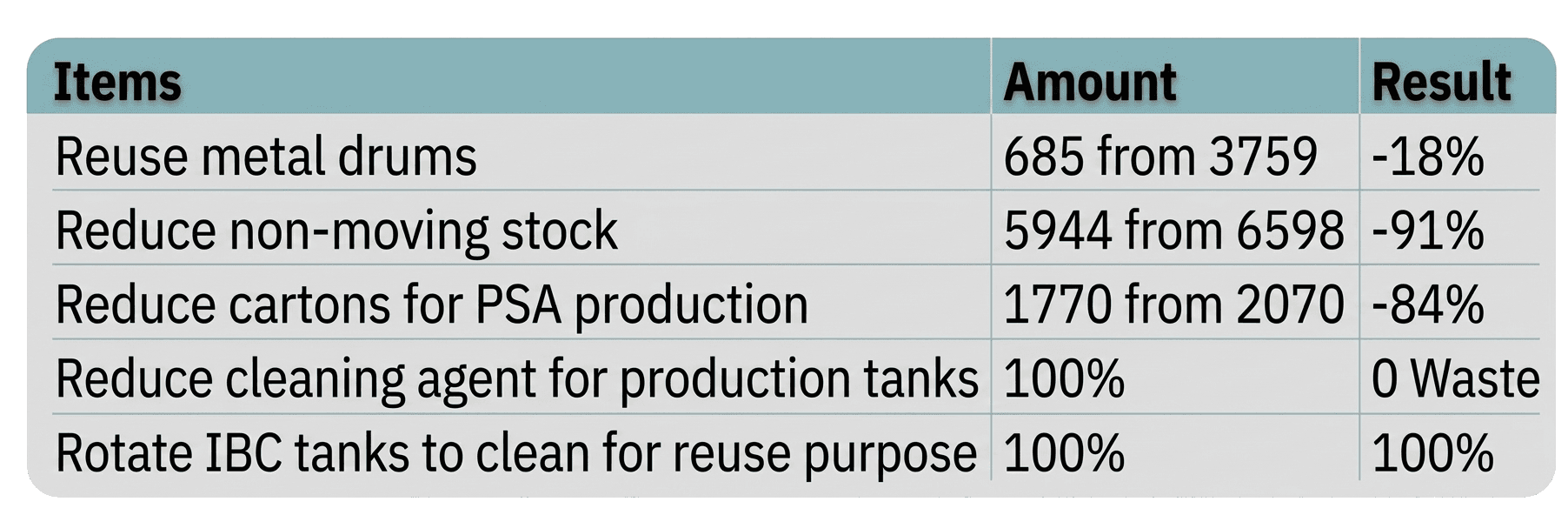
Waste and Waste Management
The company strictly and legally prioritizes the management and control of waste and scrap generated from production and internal activities, covering disposal, storage, segregation, transportation, and proper disposal methods. This is executed in compliance with the 3Rs principles by actively promoting the reduction of use, reuse, and recycling (Reduce, Reuse, Recycle).
In 2025, Selic's waste segregation project following the 3Rs principles achieved a satisfactory level, performing better than previous years at 98.34% out of 100%.
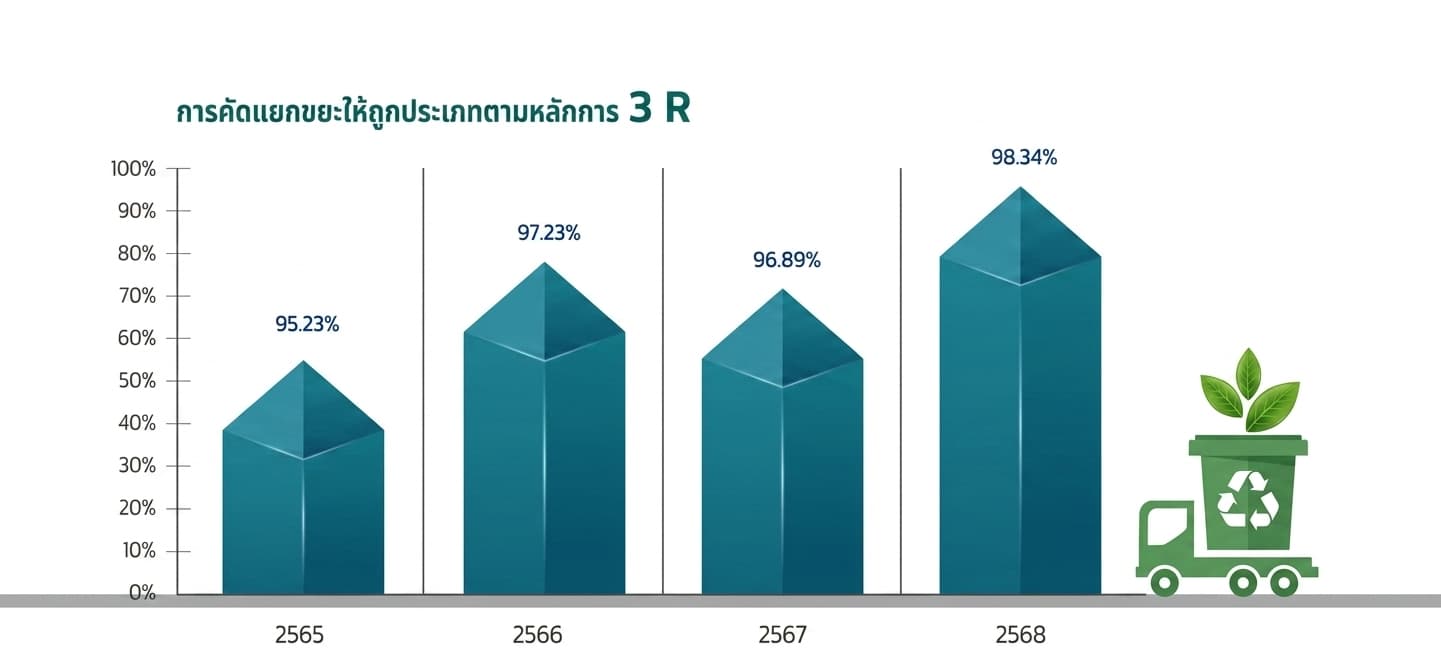
In order to manage and minimize the volume of production waste requiring disposal through landfills, the company classifies waste into 5 categories as follows:
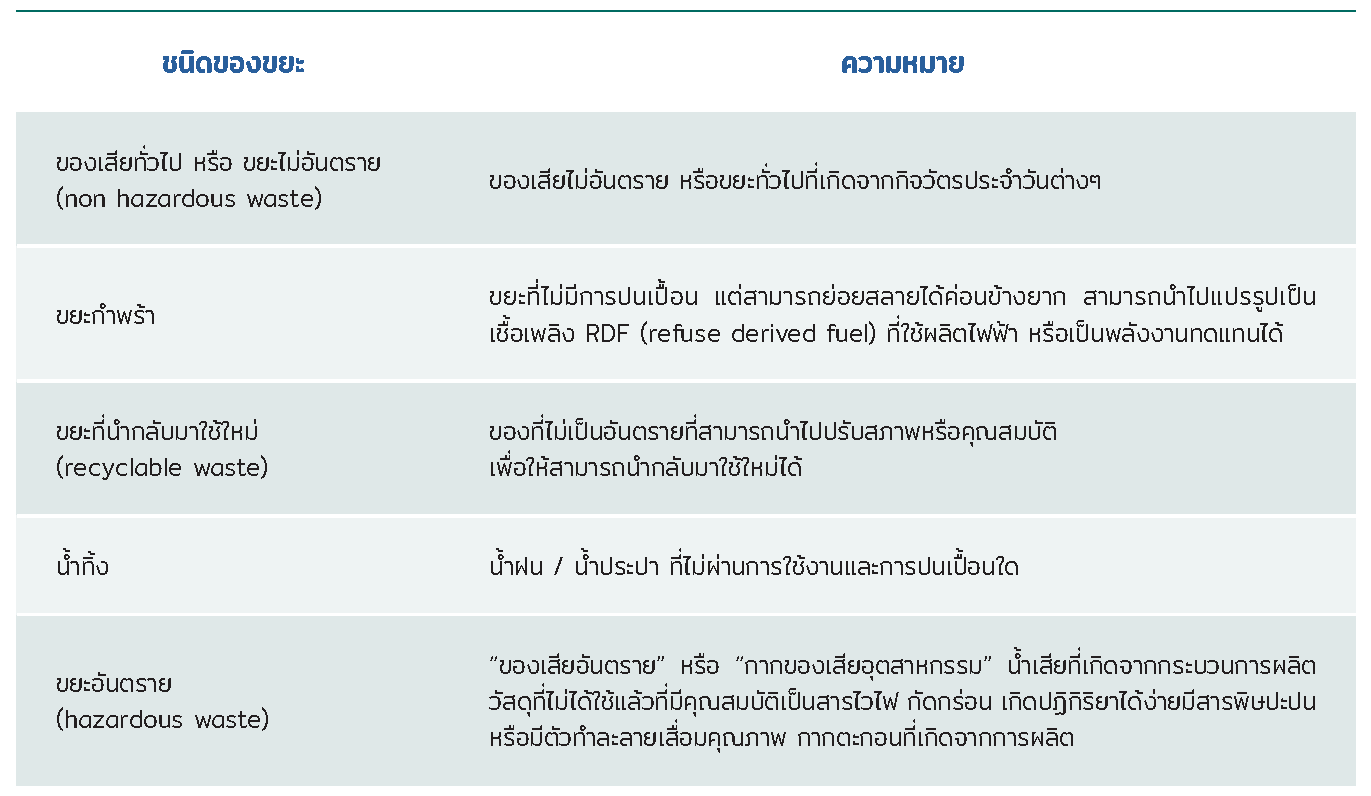
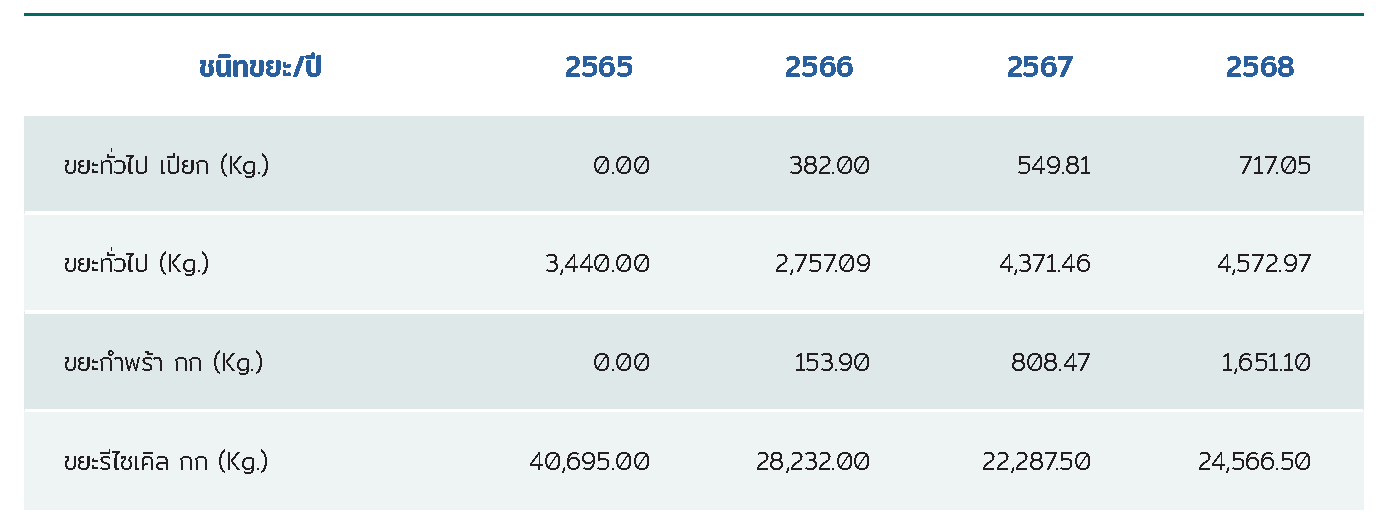
The company's non-hazardous waste consists of general waste, orphan waste (non-recyclable plastic/dry waste), and recyclable waste, each varying in volume and management methods.
General Waste
Segregated into wet and dry waste, then disposed of through the Nong Khaem District Municipality.
Orphan Waste
Clean or cleaned waste sent to organizations that process it into RDF (Refuse-Derived Fuel) for power generation and renewable energy.
Recyclable Waste
After being segregated and logged, it is delivered to recyclable material buyers on a scheduled basis for proper recycling.
Effluent / Wastewater Discharge
Internal water quality parameters are measured before every discharge to ensure it is clean and does not harm nature and the environment, in compliance with the Factory Wastewater Discharge Standards B.E. 2560 (2017) issued by the Ministry of Industry.
Hazardous Waste
The company disposes of this through legally authorized companies in strict compliance with the Ministry of Industry Notification on 'The Disposal of Waste or Unused Materials'.
Volume of Non-Hazardous Waste 2022 - 2025
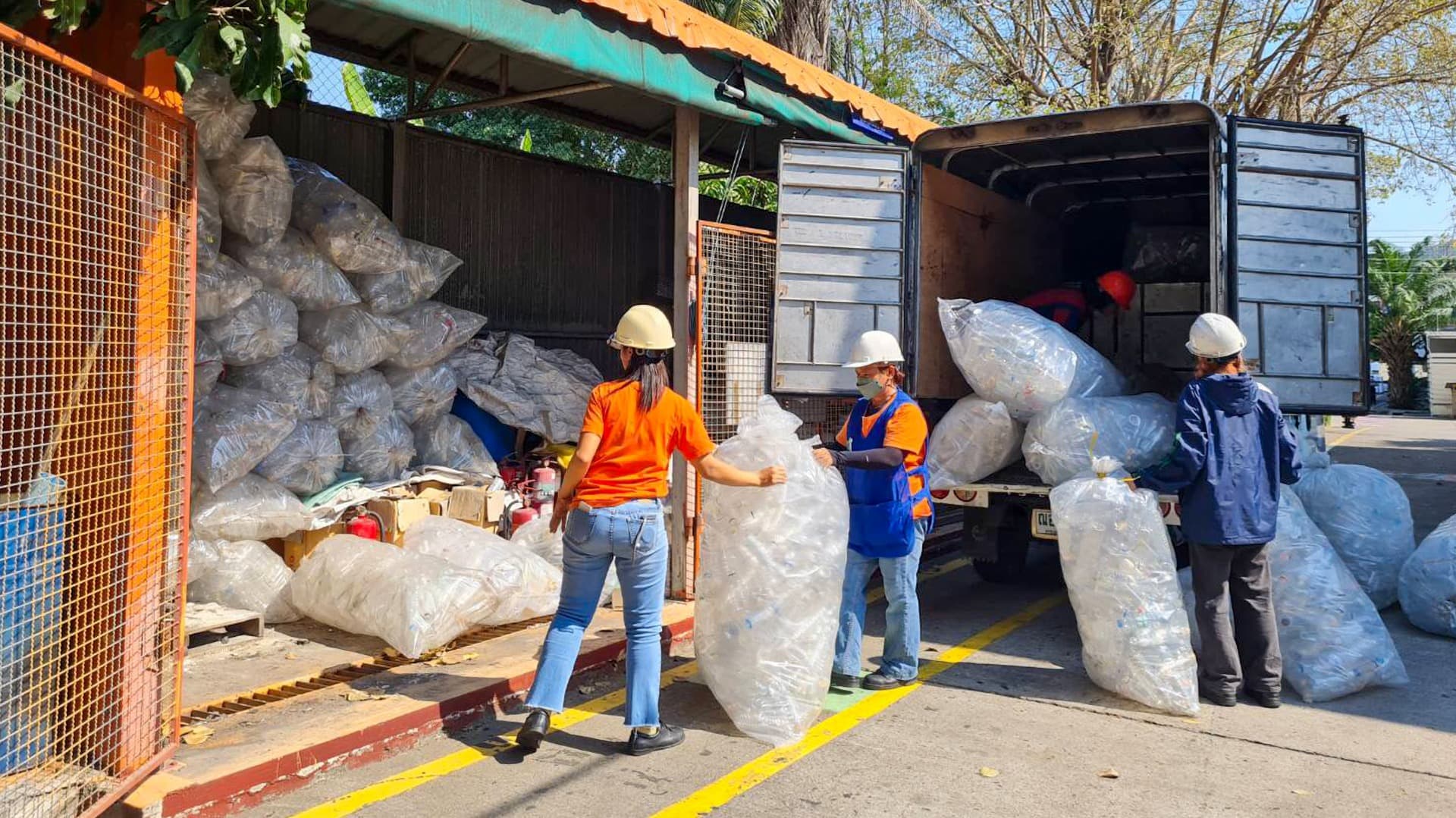
Recyclable Waste Management
The company conducts internal communication and organizes activities to impart knowledge on proper waste segregation to reduce resource waste, minimize waste volume, and mitigate various environmental issues arising from resource consumption.
In addition, the company participated in non-hazardous waste reduction activities with Wat Chak Daeng. In 2025, a total of 57.11 kilograms of recyclable materials were donated to the "Turning Waste into Merit" project by donating plastic bottles to be upcycled into monk robes at Wat Chak Daeng.


Operational results
Results of waste separation following the 3R principles
Hazardous Waste Management
The company sets targets for the amount of hazardous waste generated from the production process and has reviewed waste management and control. It establishes procedures for handling, collecting, and disposing of both non-hazardous and hazardous waste, as well as providing employees with the necessary knowledge for proper understanding.
Action plans
The company strictly segregates waste before handing it over for proper disposal in accordance with the Ministry of Industry Notification on "The Disposal of Waste or Unused Materials" by hiring legally authorized companies.
Operational results
The amount of hazardous waste that must be disposed of through landfilling
Decreased by 21.6% or 257 kg from the base year 2021
The amount of hazardous waste (landfill and fuel-blending / refuse-derived fuel)
Decreased by 76.88% from the base year 2024
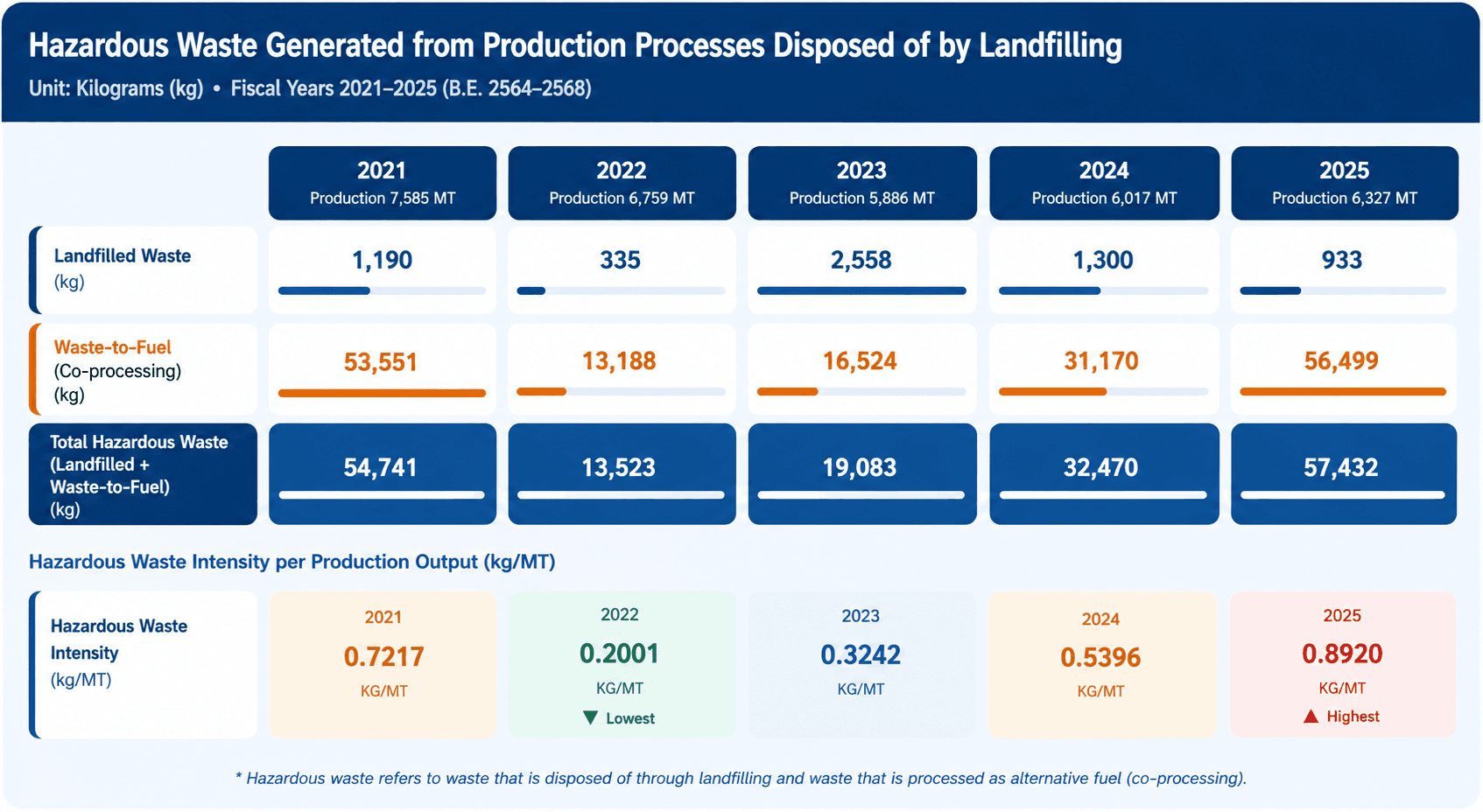
Hazardous Waste Management and Production Waste Volume
Due to the company's wastewater management system improvement in 2025, the total volume of wastewater requiring disposal was combined with fuel waste. This resulted in the total amount of fuel-blending waste increasing to 56,499 KG. When combined with the total hazardous waste (landfill and fuel), the volume of hazardous waste increased by 76.88% from the base year. The company is confident that this change reflects an enhanced level of the management system and the categorization of hazardous waste, ensuring stakeholders can trust that the company has managed this matter appropriately, with no negative impacts on society and the environment, and in full compliance with the law.
Electricity and Energy ManagementGRI 302-1, 302-3, 302-5
Goal
By 2026, achieve a 5% reduction in electricity usage compared to the 2021 baseline.
Action plans
- Promoting the use of clean energy by replacing fluorescent lamps around the factory and company perimeter with LED solar cell lamps that use clean energy.
- Campaign to change employees' behavior in using energy and resources efficiently.
- Replacing air conditioning systems with inverter-type units to save electricity in office work areas.
Operational results
Reduction in electricity usage compared to the 2021 baseline
Water ManagementGRI 303-5
Wastewater contaminated with pollutants is classified as hazardous waste and cannot be disposed of together with general used water. The company has therefore established a clear and strict water control and management system to ensure that waste is managed through a comprehensive lifecycle, while also campaigning for employees across all departments to conserve water to reduce the impact on natural water sources and the environment.
Goal
The long-term goal is to reduce the water usage rate by 10% by 2026 compared to the 2021 baseline.
Operational results
Reduction in water usage rate compared to the base year 2021

Water Classification and Management
The company classifies water into 3 categories with clear management guidelines as follows:
- Effluent / Wastewater Discharge: Tap water or rainwater free of chemical contamination, routed through a piping and retention system with strict quality inspection according to regulations before being discharged externally.
- Recycled Water / Used Water: Water from internal consumption within the organization, routed into a retention system and sent to the treatment system to be reused for factory cleaning and watering plants.
- Wastewater: Water contaminated with chemicals from production processes and equipment/container washing, collected and stored in closed containers, and sent for disposal by legally authorized service providers licensed by the Department of Industrial Works.
Wastewater Management
All wastewater from the production process is collected and stored in covered containers at designated points for disposal by companies licensed by the Department of Industrial Works and in compliance with legal regulations.
Action plans
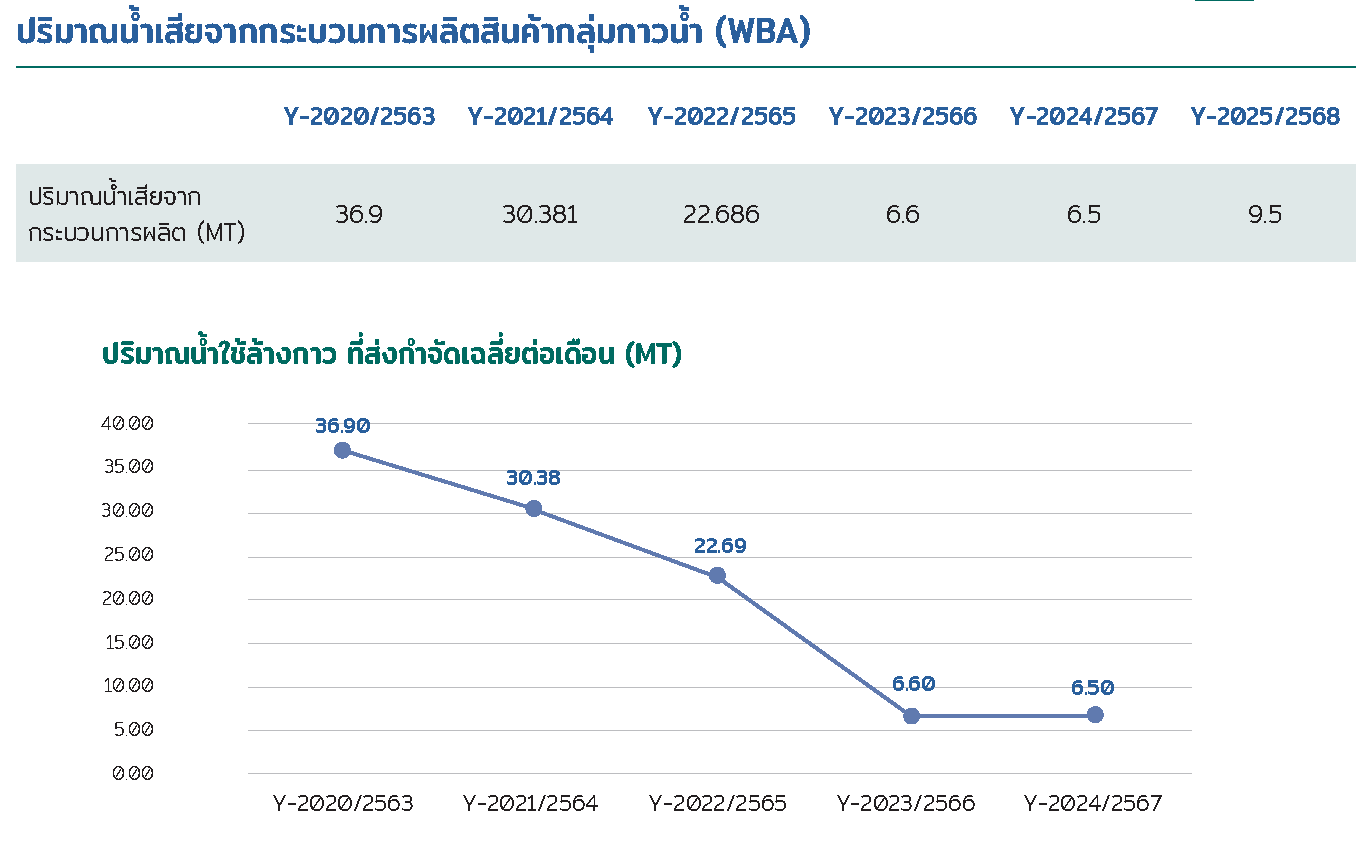
From 2020 to 2025, the company has managed to reduce wastewater volume from the water-based adhesive (WBA) production process by sorting production containers according to product type and planning to produce the same or related product groups, resulting in a continuous reduction in wastewater (washing water from the adhesive production process) since 2020.
Operational results
Beautiful Backyard Project: Landscaping Improvement Behind the Zealick Factory

Before Improvement
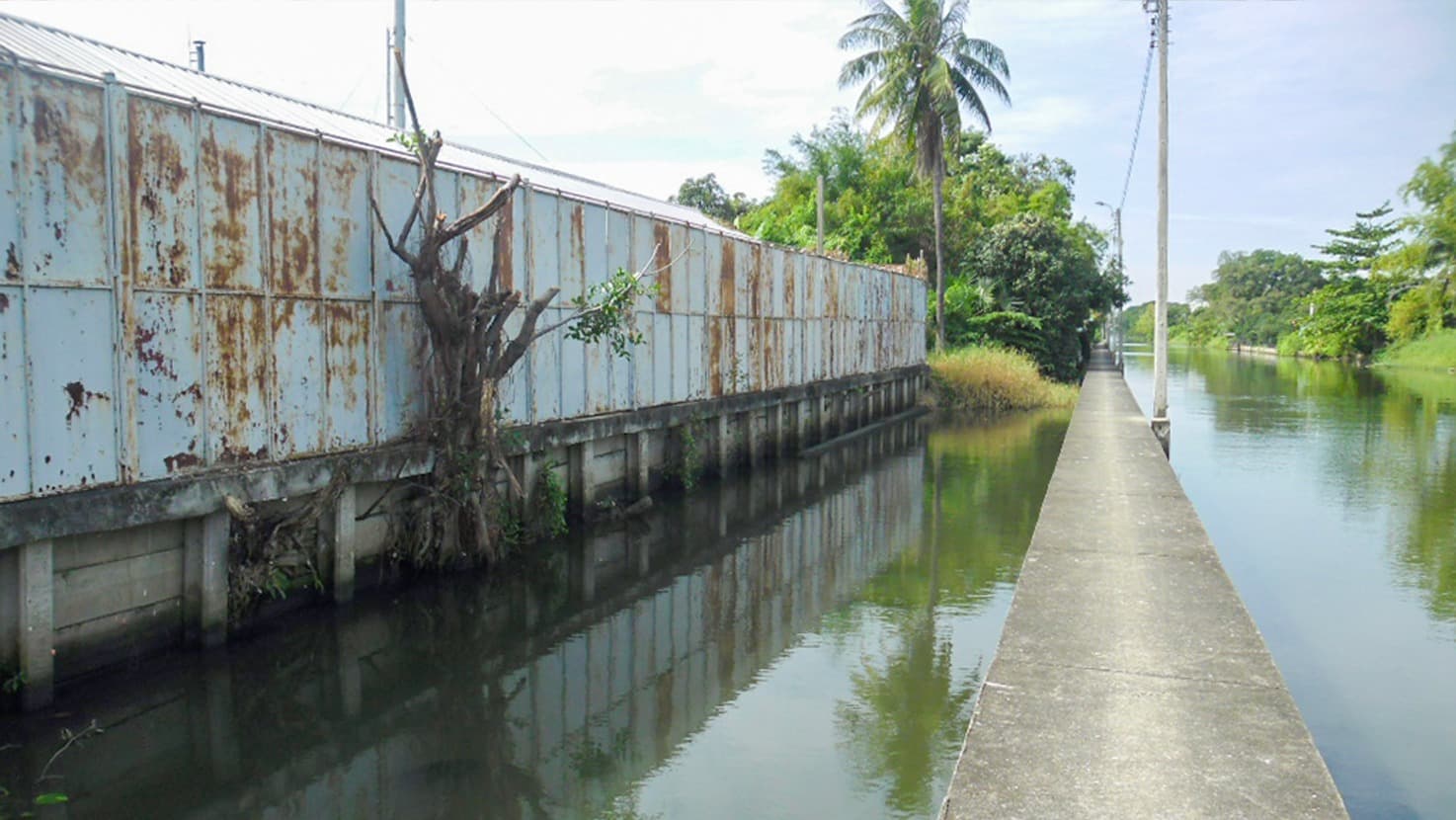
After Improvement
Other commitments
Adaptation to Climate Change
Reduce total greenhouse gas emissions (Scope 1 และ 2) by 10% from the 2020 baseline
The company places great importance on climate change issues and is preparing to cope with emerging environmental regulations that may impact operations. The company emphasizes greenhouse gas management and has joined projects with the Thailand Greenhouse Gas Management Organization (TGO) to obtain certifications for the Carbon Footprint for Organization (CFO) and Carbon Footprint for Products (CFP).